Bystander resources to make our streets safer
Resources and training to empower bystanders to act safely and support those impacted by public harassment
Bristol considers itself a tolerant city, ready to step up, protect, and support those who need it. To coincide with the International Day for the Elimination of Violence against Women on 25 November 2025, Bristol BID is launching this resource page to share guidance with local businesses, organisations, and the wider community. Our goal is to help everyone in Bristol – residents, visitors, and workers alike – understand the impact of public sexual harassment and access free, recognised training to build confidence in how to intervene safely.
Public sexual harassment became a crime in 2023 under the Protection from Sex Based Harassment in Public Act. Despite this, the problem remains widespread. Plan UK’s The State of Girls’ Rights in the UK report (2024) shows that only 5% of girls and young women feel “completely safe” in public spaces, while their 2020 report highlights that 66% of girls and young women aged 14–21 have experienced public sexual harassment. This shows just how common these experiences are and how they affect women and girls across the UK every day.
The following story was shared with us and reflects the lived reality for many women. Her recent experience here in Bristol inspired this page, highlighting the need for guidance and resources so everyone can respond safely as a bystander and help make our streets safer.
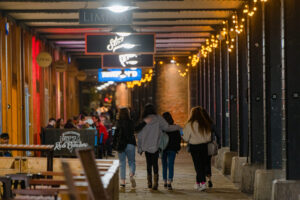
“Last month my daughter and I were threatened with rape by two teenage boys whilst walking home from Bristol Temple Meads on a Friday evening. We’ve both experienced levels of street harassment many times before – as most women and girls will have – but this felt particularly frightening for a number of reasons. Firstly, it wasn’t late at night, we were on a main road and there were two of us. Secondly, a couple walked past us and saw it happening, but the male chose to pull his female companion away rather than step in to assist. Thirdly, the boys couldn’t have been older than about 15 and showed an unbelievable level of misogyny and lack of respect – circling us whilst taunting and shouting deeply sexualised things about our bodies, threatening to follow us home and rape us later. The incident only stopped when we called 999 and they heard the call handler on speaker phone asking for our exact location.
We decided to speak out about it, despite it making us feel uncomfortable, because we think it’s important to challenge this increasing culture of violence and misogyny. A situation like we had leaves you feeling vulnerable and a little ashamed, and that means all too often we keep quiet about it. Instead, we change our behaviour to try and avoid it happening again – walking a different route, not going out after dark, carrying a rape alarm, and in this case we have somewhat ridiculously started wearing beanie hats if we’re out in the evening, because we have blonde curly hair that’s quite distinctive and we don’t want to be recognised if we encounter those boys again.
We wrote a joint post about our incident and shared it on LinkedIn, and we’ve been absolutely overwhelmed by the response. Nearly 1,400 people have responded to it, and alongside that, we have both separately received dozens of DMs and whatsapps from other women and girls sharing their own story with us – many of whom had not wanted to share it publicly. We have also received messages from men saying they had no idea and wanting to understand how they can help.”
What you can do
Collectively, we all have a role to play in making our streets safer. By encouraging open conversations within your team about what they see and how to respond safely, organisations can help ensure that those affected are supported. Building confidence to call out harmful behaviour and provide support is key to creating a safer environment for everyone.
Even simple steps, such as completing recognised bystander training and sharing these resources with staff, can have a real impact. By acting collectively, we can create meaningful change across the city.
We encourage businesses to utilise the resources available on this page and share with their wider networks.
Explore the resources
Avon & Somerset Police PCC
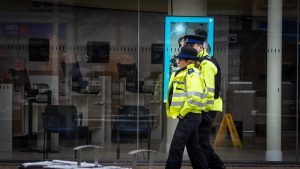
The Avon and Somerset communities, in partnership with Night Time Economy Solutions (NTES), have a programme of free online bystander intervention training sessions.
This initiative is designed to support businesses across the Avon and Somerset region, providing practical interventions to improve the safety of women and girls in public spaces, combat violence against them, and raise awareness of the new Worker Protection Act that came into effect on 26th October 2024.
This training was commissioned by the Avon and Somerset Police and Crime Commissioner.
Bristol Nights
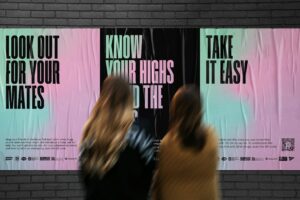
Bristol Nights is a partnership project from Bristol City Council. Its purpose is to support the city at night, and everyone who works from 6pm-6am. It is dedicated to advocating for the night through coordinated, practical, city-wide solutions.
Bristol Night’s projects include:
Women’s Safety Charter – Launched in 2022, Bristol’s Women’s Safety Charter is a call to action for all organisations, large or small, to help make Bristol a fair and inclusive city, where everyone can fully and comfortably exist.
Thrive at Night – Provides mental health and wellbeing support to Night Time Economy (NTE) workforce in Bristol, through resources, training, peer support and trauma response support sessions.
Anti Drink Spiking – Resources aimed at educating Bristol on the procedure on reporting an collecting evidence of drink spiking and a comprehensive procedure guide for businesses who experience a drink spiking incident at their venue.
Harm Reduction – Bristol Nights is taking a pioneering, public health approach to embed Harm Reduction into the heart of the night time economy and provides practical, judgement-free solutions to lower the risks surrounding drugs and alcohol use.
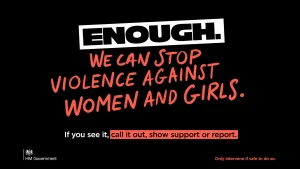
Enough Campaign - End Violence Against Women and Girls
The campaign provides advice to anyone witnessing abuse, including students, on the safe ways to intervene if they see an incident of violence against women and girls, ranging from sexual harassment – on the street, on public transport or at work – to sharing intimate images of someone without their consent; coercive control in a relationship; or unwanted touching.
The campaign provides a wide range of resources on how to recognise abuse and how to safely intervene and help stop it.
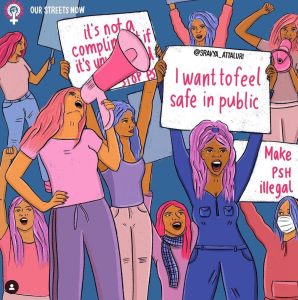
Our Streets Now
Our Streets Now have a vision is to end to public sexual harassment in the UK.
Our Streets Now was founded in 2019 by two teenage sisters, sharing how they experienced the world as young women. They spoke about feeling afraid walking home at night and how their lives were restricted by the fear of public sexual harassment. And about how this was an everyday reality for millions of women, girls and people of marginalised genders up and down the country.
They began a petition to make public sexual harassment (PSH) a criminal offence. Within 100 days, that petition had over 100,000 signatures. It now sits at almost half a million. It caught the attention of media and then policymakers at the heart of government. And, in 2023, the five year campaign to make PSH a crime was a success.
Our Streets Now offer free resources and programmes for schools and universities to educate younger people.
Right To Be
Right To Be started as a conversation in 2005 among seven young people: Lauren Larken Scuderi, Kaja Trejak, Samuel Carter, Anna Weichselbraun, Colin Weatherby, Emily May, and Elan Abrell. As the women told story after story of their experiences of harassment, the men became increasingly concerned. Collectively, they resolved to make change.
Right To Be offer a wide range of resources, including Bystander Intervention Training, that teaches people how to stop harassment, with a set of simple and safe tactics called the 5D’s.
Suzy Lamplugh Trust
The Suzy Lamplugh Trust is the UK’s pioneering personal safety charity and leading stalking authority, established in 1986, following the disappearance of 25-year-old Suzy Lamplugh, an estate agent and lone worker who went to meet a client and never returned. Suzy was never found and eventually declared deceased after seven years in 1993.
The Suzy Lamplugh Trust strive to reduce the risk and prevalence of abuse, aggression, and violence – with a specific focus on stalking and harassment – through education, campaigning, and support.
The trust offer a range of training courses dedicated to personal safety and lone working, including free 30-minute sessions dedicated to bystander training.
Transport for London
In October 2025, Transport for London launched a powerful video campaign to encourage people to be active bystanders and “act like a friend” to others targeting by hate crime, sexual offences, and harassment if they feel safe to do so.
The video draws on three true stories of Londoners who have witnessed other passengers being targeted, and who have helped defuse the incident by engaging the targeted person in a conversation, as they would with a friend.